


ASL - Sign Language.learn ASL!
4.7338.00 Reviews
App Specs
- Version
- 1.14.28
- Updated On
- License
- Free
- Downloads
- 100,000+
- Developer
- Educational quizzes
- Categories
- Education
- Platform
- Android
Screenshots
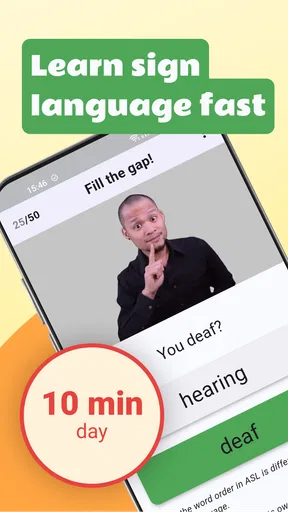
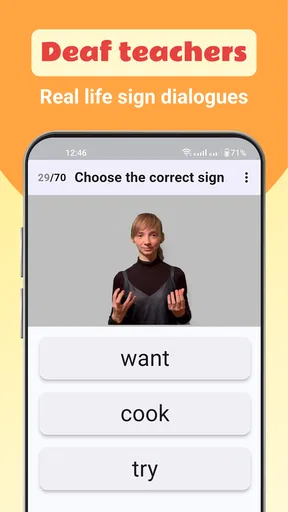
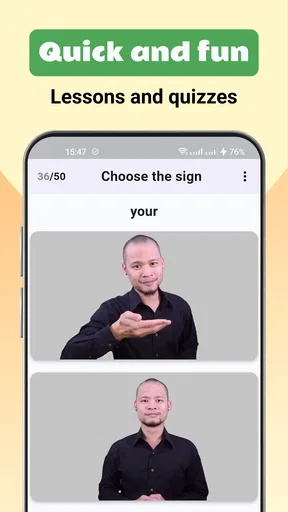
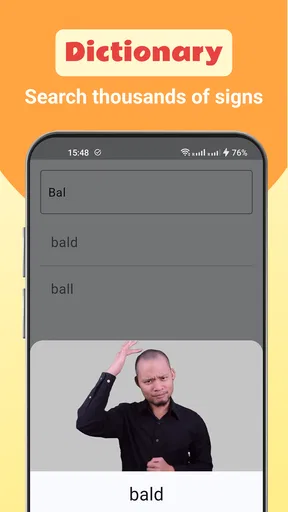
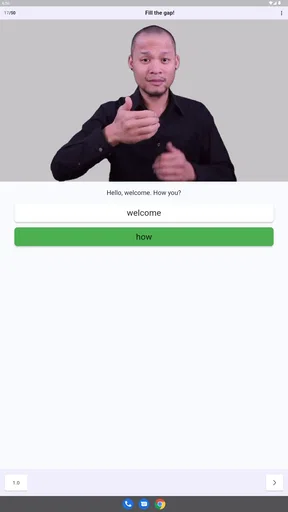
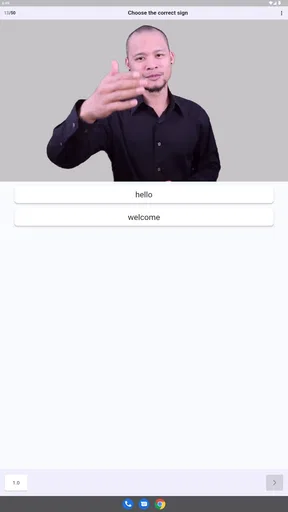
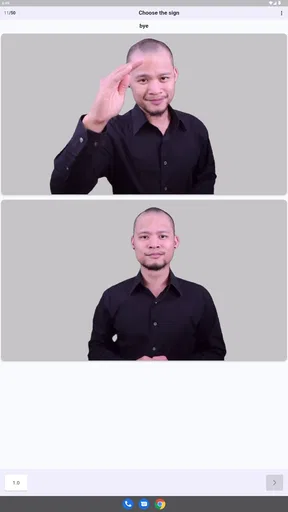
 Analysis by AppCompare
Learning American Sign Language on a shared phone is a different experience from studying it alone. I noticed this quickly with ASL - Sign Language.learn ASL!: it works best when the device is treated as a small practice tool that people can pick up, use for a few minutes, and hand back. That makes it interesting for households, couples, parents and older children who want to explore signing together rather than leave the whole subject to one person.
This is a free education app from Educational quizzes, aimed at helping learners begin with the language used by Deaf communities in the United States. It is available for users aged Everyone, runs on Android 7.0 and later, and the current version is 1.14.28. The app has reached over 100K installs and holds a 4.7 average from around 5K ratings, which gives it a reassuring first impression without replacing personal testing.
My overall view is positive, but with an important qualification: I see it as a convenient starting point and a useful practice companion, not as a complete substitute for Deaf-led instruction, conversation practice or a structured course. That distinction matters even more on a shared device, where different people may have different goals, ages and expectations.
How the app fits into a shared household
When several people share one phone, I’d treat ASL practice as a small, cooperative activity rather than assume the app can keep everyone’s learning separate. A rotating turn or a shared note can help each person pick up where the household left off, while still leaving room for different goals and paces. That practical routine leads to a few choices worth settling before anyone begins.
A realistic evening practice routine
Imagine a family member has an appointment, classmate or neighbor who signs, while another person simply wants to learn something new. Instead of scheduling a long lesson, someone opens the app while waiting for dinner, another person watches the same material later, and the two compare what they remember. That kind of low-pressure use is where this app makes the most sense.
I would not make the mistake of treating a shared phone as if it were a personal classroom. One user may be learning basic signs for communication, another may be browsing out of curiosity, and a child may only stay engaged for a short session. The app can support those different entry points, but the household needs to decide what “learning” means before expecting the same results from everyone.
A useful routine is to choose one small topic at a time, practise it together, and then stop before the session becomes tiring. On a shared device, passing the phone around can actually help: each person gets a turn to observe, imitate and explain what they understood. It also reveals misunderstandings earlier than silent individual practice.
Worth Reading Before You Choose

EA SPORTS FC Mobile 26 Is a Bigger Football Game, but It Takes Time

Flipboard Shows What News Apps Must Do Beyond the Feed

Switching to Android Auto Means Rethinking Your Driving Routine

Google Calendar Makes a Crowded Week Easier to Manage

Ludo King Makes the Most of the Minutes Between Plans

Baby Panda World Brings Quick Play to Modern Phones, but Its Game Library Feels Busy
One practical tip is to keep a simple household note outside the app. Write down the signs everyone has practised and mark which ones still feel uncertain. This avoids repeatedly opening random lessons and gives the next user a clear starting point. It also prevents a child from assuming that recognising a sign once means they can use it accurately in a real conversation.
Why a phone-based format is approachable
The strongest part of this format is immediacy. A phone is usually nearby, so the barrier to beginning is lower than with a textbook, a scheduled class or a long video course. If I have a spare moment, I can open the app and focus on a small piece of vocabulary rather than prepare a study session.
That convenience is especially helpful for beginners who feel nervous about starting ASL. A private screen allows a learner to look, repeat and make mistakes without performing in front of a group. In a household, it also gives a hesitant adult a way to practise before trying a sign with another person.
Still, convenience can create shallow learning. Swiping through material or recognising a familiar image is not the same as producing a clear sign, understanding context or following a fluent signer. I recommend saying the purpose aloud before opening the app: “We are practising signs for introductions,” or “We are reviewing the signs we used yesterday.” That small decision turns casual browsing into deliberate study.
What different household users can reasonably expect
A curious beginner can use the app to become familiar with the visual nature of ASL and build a first set of signs. A family member preparing to communicate with a Deaf person may find it useful for getting started, but should not assume that a few lessons provide enough fluency for important conversations. Someone already taking classes may appreciate the quick review format, although the app should complement rather than replace class feedback.
Young users can benefit from short, shared sessions with an adult who checks understanding. I would avoid handing over the phone and calling the task complete, because children may copy a movement without noticing handshape, direction, facial expression or context. Those details can change meaning, and the app alone may not correct every personal habit.
It is also worth setting expectations for relatives who think ASL is simply English expressed with the hands. It is a full language, not a word-for-word gesture system. The app is useful as an entry point, but respectful learning also means understanding that Deaf people and ASL users are not there merely to test a beginner’s vocabulary.
Sharing the device without confusing progress
The main household weakness is not necessarily the lessons themselves; it is the lack of a clearly separated family workflow. If several people use one phone, they need to remember who practised what. A child may open the app after an adult, or an adult may assume that a previous session represents their own progress.
For that reason, I would use a rotating schedule or a paper checklist rather than rely on memory. One person can choose the topic, another can demonstrate, and everyone can repeat it. This creates accountability without pretending that the app is managing a family course.
Shared use also raises a simple privacy habit: do not let a learner’s personal notes, messages or other open apps become part of the lesson. The app is an educational tool, but the phone belongs to the household. Closing unrelated screens before passing it over is a small step that makes the experience more comfortable for adults and children alike.
Setup, boundaries and responsible use
Before I hand a learning app to a child or guest, I like to agree on who can approve purchases and when the shared device is available. I’d also keep practice in its proper role: a useful introduction, not a replacement for qualified help when clear communication really matters. With those boundaries in place, the next section can focus on making the first session comfortable and responsible.
What I would do before the first lesson
Before inviting several people to use it, I would install it on the device that will actually be available for practice and check that it behaves comfortably on the household’s Android setup. The minimum operating-system requirement is Android 7.0, so older phones should be checked before anyone plans around them.
I would then decide whether the app is being used for personal study, a shared family activity or a mixture of both. That sounds obvious, but it affects how people interpret progress. A person who opens it for two minutes out of curiosity should not be compared with someone who practises every evening.
The app is free to download and use, while in-app purchases are listed from $19.99 to $99.99 per item. In a shared household, that makes purchase boundaries worth discussing before a child or guest explores the app. I would keep buying decisions with the adult who owns the device and review any purchase prompt together rather than treating the free starting point as permission to spend.
This is also a good moment to explain that a paid item, if chosen, should be judged by the learner’s actual routine. If nobody has established a habit with the free experience, paying for more material may not solve the real problem. Consistency, feedback and clear goals matter more than simply having access to additional content.
Keeping account boundaries clear
On a shared device, separate identities matter even when the learning activity is informal. Each person should use their own notebook, coloured checklist or agreed label when recording practice. That avoids arguments about who completed a topic and prevents a younger learner from feeling behind because an adult has spent more time with the app.
I would also avoid presenting one family member as the permanent teacher. The person who discovers a sign first may still misunderstand it, and confidence is not proof of accuracy. A better arrangement is to treat everyone as a learner and use outside instruction or a Deaf signer’s feedback when the group needs clarification.
Another useful boundary is time. A shared screen can easily become a source of friction when one person wants to study and another wants the phone. Agreeing on short turns keeps the activity friendly. If the device is needed for work, school or accessibility, learning should give way immediately.
Where the app should not be the only resource
I would not rely on this app alone for medical information, safety instructions, emergency communication or any situation where a misunderstanding could cause harm. A beginner’s vocabulary is not enough for precise, high-stakes communication. In those situations, qualified interpreters, established services and direct guidance from appropriate professionals are more suitable.
It is also not the right sole resource for someone who needs conversational fluency quickly. An app can help with exposure and repetition, but real communication involves speed, turn-taking, facial expression, regional variation and the ability to ask for clarification. A class, tutor, Deaf-led community setting or conversation partner can address those needs more directly.
That does not make the app unhelpful. It simply places it in the right role: a portable introduction and review aid. I found that framing more productive than expecting it to deliver a complete language education from a phone screen.
Age, trust and adult guidance
The Everyone rating makes the app approachable for a broad audience, but an age label is not a learning plan. A younger child may need help interpreting what they see, repeating movements safely and understanding that ASL is a language connected to a living community. An adult can also prevent the session from becoming a guessing game based only on visual resemblance.
For children, I would keep sessions short and ask them to demonstrate a sign to another person rather than merely tap through material. The adult should respond with encouragement while avoiding claims that a sign is “perfect” unless they have the knowledge to judge it. If uncertainty appears, pause and verify it through a reliable learning source.
For teenagers and adults, trust works differently. They may prefer independent practice and feel uncomfortable being corrected publicly. A shared household can respect that by allowing private review while agreeing on a separate time for group practice. The app then becomes an invitation to communicate, not a test imposed by another family member.
Because the developer is named Educational quizzes, I approached the experience with the expectation of a quiz-oriented educational style rather than a full classroom replacement. That makes it attractive to learners who enjoy quick checks and repetition. It may be less satisfying for someone who wants detailed linguistic explanations, cultural lessons or a long, teacher-guided sequence.
Coordinating practice without inventing progress
Coordination is easiest when the household chooses a shared target that can be observed. For example, everyone might practise greetings, then use those signs naturally during the day. The goal is not to perform a large collection once; it is to remember a small group well enough to use it without staring at the screen.
A second useful technique is delayed recall. After viewing a lesson, close the app and ask each person to reproduce the signs later without looking. This exposes the difference between recognition and memory. If a sign is forgotten, return to the material rather than adding more vocabulary immediately.
A third technique is role reversal. Let the learner who usually watches become the person who demonstrates, while another household member observes. This reveals whether the movement is understood or merely copied. It also makes practice more social without requiring the app to provide a formal multiplayer or family system.
I would keep corrections specific and kind. Instead of saying “that looks wrong,” describe the part that needs another look, such as hand position, direction or timing. If nobody in the household can judge the detail confidently, record the question and seek qualified feedback later. That habit is more valuable than rushing through the next screen.
How it compares with usual alternatives
Compared with a printed ASL book, the app is more convenient for a quick visual reminder and easier to share during an informal practice session. A book can be better for taking notes, comparing several explanations at once and studying without a battery or notification. I would choose the app for accessibility and immediacy, but keep another reference nearby when a movement is difficult to interpret.
Compared with general video platforms, a dedicated ASL learning app feels more focused. A video platform may offer broader material, including Deaf creators, cultural discussions and longer demonstrations, but it can also make it harder to follow a coherent beginner path. The app is better when I want a contained study moment; videos are often better when I need context, natural signing or multiple explanations.
Compared with an in-person course, the app wins on flexibility and privacy. The course wins on correction, conversation and accountability. Someone planning to communicate regularly with Deaf friends, colleagues or relatives should consider both: use the app to prepare between lessons, then let real interaction show what still needs work.
Compared with a generic language-learning platform, this app has the advantage of being specifically aimed at ASL rather than forcing signing into a spoken-language template. The trade-off is that learners may need to supply more of the cultural and conversational context themselves. That is not a reason to reject it, but it is a reason to combine it with resources created by or involving Deaf signers.
Who should choose it, and who should skip it
I would recommend it to a beginner who wants a free, low-pressure way to start learning ASL, especially when a phone is shared by people who can practise together. It is also a sensible companion for someone attending a class and looking for a convenient way to revisit material between sessions.
I would be more cautious recommending it to a learner who needs a personalised curriculum, formal assessment or rapid conversational ability. That person will likely gain more from a teacher, structured course or Deaf-led learning environment, with this app used only as supplementary practice.
I would also skip making it the centre of a household activity if the group cannot agree on respectful goals. Learning signs as a party trick, correcting one another harshly or treating a Deaf person as a test subject can undermine the value of the exercise. The app cannot create that attitude; the users have to bring it.
My household verdict
After considering the app as a shared-device tool, I see its best quality as accessibility. It makes beginning less intimidating and gives a household a simple reason to practise together. The free entry point, broad age rating and modest device requirement make it easy to consider, while the strong 4.7 average suggests that many users find value in the experience.
Its limitations are equally clear. Shared progress needs to be organised manually, purchase decisions need adult attention, and the app should not be mistaken for a complete ASL course. Learners also need to move beyond isolated signs if their goal is genuine communication.
My recommendation is to start with short sessions, one shared topic and a written practice record. Use the app to build confidence, then add Deaf-led resources, qualified instruction or real conversation when the learner is ready. For a household looking for an approachable first step, that is a sensible balance. I would install ASL - Sign Language.learn ASL! for that purpose, as long as everyone understands that the phone opens the door to learning; it does not replace the people, culture and practice needed to walk through it.
Pros
- Short lessons make it easy to practice ASL in small daily sessions.
- Useful for beginners learning common signs and basic communication.
- Visual demonstrations help users understand hand movements clearly.
- Progress tracking can encourage consistent practice over time.
- Suitable for self-paced learning without needing a scheduled class.
Cons
- Some lessons may feel too basic for intermediate or advanced learners.
- App content may not fully teach facial expressions and body grammar.
- Practice activities may offer limited feedback on signing accuracy.
- A phone screen cannot replace interaction with fluent ASL users.
- Some features or lessons may require an in-app purchase.
FAQs for ASL - Sign Language.learn ASL!
What is ASL - Sign Language.learn ASL! and who is it designed for?
ASL - Sign Language.learn ASL! is an educational app focused on teaching American Sign Language through visual lessons and practice activities. It can be useful for complete beginners, family members of Deaf or hard-of-hearing people, travelers, students, and anyone interested in learning basic signs. The app is generally more suitable for users who prefer short, visual study sessions rather than a full classroom-style ASL course.
Can I learn American Sign Language effectively with this app alone?
The app can provide a convenient starting point for learning everyday vocabulary, greetings, expressions, and commonly used signs, especially if you practice consistently. However, it should not be considered a complete replacement for instruction from a qualified ASL teacher or interaction with the Deaf community. ASL includes grammar, facial expressions, body movement, and cultural context that are difficult to master through isolated vocabulary lessons alone.
Does ASL - Sign Language.learn ASL! work offline?
Offline availability may depend on the app version, device, and the specific lesson or feature you are using. Some learning materials may be accessible after installation, while other content can require an internet connection to load videos, advertisements, updates, or additional exercises. Before relying on the app while traveling or without mobile data, it is recommended to open the lessons you need and confirm whether they remain available offline.
Is the app free to download, and are there advertisements or in-app purchases?
The application may be free to install, but free access can include advertisements, limits on lessons, or optional paid features. Premium content, an ad-free experience, or additional learning tools may require an in-app purchase or subscription, depending on the current version. Check the store listing carefully before downloading and review the payment terms, renewal settings, and available trial period if one is offered.
Is the ASL content accurate and suitable for children?
The app can be a helpful supplementary resource for children and adults, but parents should review the content and learning format before allowing younger children to use it independently. Sign variations, regional preferences, and simplified explanations may occur, so learners should compare important signs with trusted educational sources or a qualified instructor. Children may also need supervision when advertisements, external links, or optional purchases are present.


